

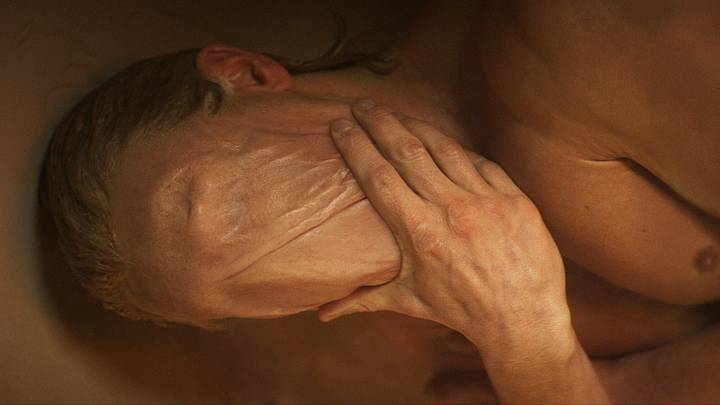
James Gunn was clear from the outset that his DC cinematic universe would be a whole different animal than what Kevin Feige has been crafting for nearly two decades at Marvel Studios. As opposed to creating one long narrative that culminates in large-scale event films like this December’s Avengers: Doomsday, DC Studios is telling stand-alone stories about characters who all happen to live in the same universe.
The benefit of this strategy not only allows for films that don’t require the same devoted viewing of Marvel’s intricately entwined storytelling but also means DC can be free to experiment with a wide variety of styles and genres. Their most recent release, Clayface, is their boldest swing yet, borrowing not just from the supervillains' long comic book history but also a unique subgenre within horror cinema.
The body horror film has long been getting under filmgoers’ skin, from the moment Lon Chaney revealed his scarred visage in the 1925 silent classic The Phantom of the Opera to his son Lon Chaney Jr.'s horrific transformation into the titular The Wolf Man in the iconic 1941 werewolf movie. There is something inherently scary about living in a fragile body and the litany of nightmares that can befall it.
DC’s Clayface is borrowing heavily from the work of iconic sci-fi/horror filmmaker David Cronenberg. Cronenberg rose to prominence in the 1970s with a series of disturbing body horror thrillers like Shivers and Rabid. These are tales of average people being overcome by physical deformities and cravings that rob them of their humanity.

In 1986, Cronenberg would make what is widely considered his masterpiece, The Fly. What started as a remake of the endearing but fairly schlocky 1958 film of the same name became the story of a fame-hungry scientist whose own hubris leads to a monstrous devolution and profoundly destructive consequences.
Seth Brundle’s horrific transformation into a fly creature is a journey mirrored by Clayface’s protagonist, rising movie star Matt Hagen, played by Tom Rhys Harries. Both characters are driven to ignore the inherent danger of their actions by a desperate need to fulfill sky-high ambitions. In Matt’s case, it’s returning to the life he feels he is owed. These films use stomach-churning physical transformations as a metaphor for moral corruption. As their bodies become more monstrous, so too do their actions.
The Fly is not the only horror classic that Clayface looks to for inspiration. Sam Raimi’s 1990 proto superhero cult classic Darkman tells a tale of twisted justice not dissimilar to the one currently playing in theaters. In that film, Dr. Peyton Westlake (Liam Neeson) is disfigured after he is assaulted by a gang of criminals, the same fate that befalls Hagen in the first act of Clayface. Both characters turn to radical and potentially dangerous scientific breakthroughs to wage bloody vengeance on their tormentors.
Darkman makes sense as a model for Clayface because though it’s an original screenplay, Raimi’s lifelong fascination with comic books shines through in the tone and design of the movie. Both Westlake and Hagen have iconic comic booky looks that can be altered along with the needs of their missions. Like Clayface, Darkman also explores the loss of a moral compass as Neeson’s character turns from a gentle scientist to a homicidal crusader of justice. Clayface is a blend of a monster movie and vigilante story with a lead who excuses his increasingly bloody actions with a warped sense of justice.
James Gunn has been adamant during the promotion of Clayface that this film is not a traditional superhero or even supervillain story. It is a horrific tale of a man becoming a monster that examines the psychological and ethical downfall of a person driven by anger and hubris. Borrowing from a long cinematic history of the body horror subgenre, Clayface expands the bounds of what stories can be told inside of a superhero universe.
 Add us as a preferred source on Google