

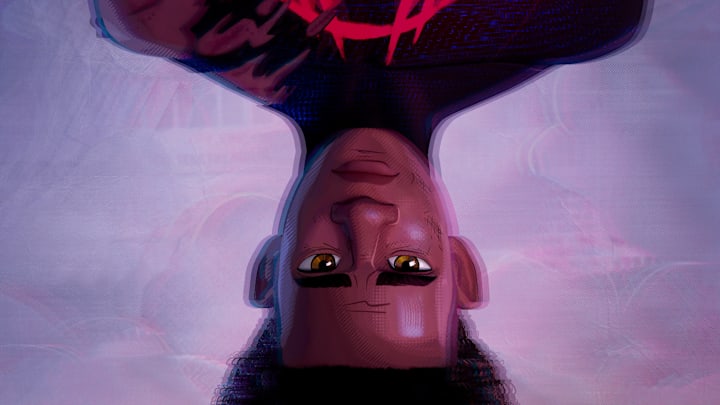
A phrase came to mind when I learned that issue No. 42 of Cody Ziglar’s Miles Morales: Spider-Man was the final issue. "Don't cry because it's over, smile because it happened." As sad as it is that this series has come to an end, what was accomplished has to be admired.
Miles Morales: Spider-Man was a masterclass for a lot of reasons. Among them was the way new characters like Raneem Rashad (Rabble), Keisha Kwan (Powerlift), Monika Mori (Inari), and Lance Lewis (White Cat) were created. People often complain that they repeatedly see the same heroes and villains in every comic book. It looks like Cody Ziglar and the creative team saw this, pulled an Usher, and went, "Okay...watch this," and made interesting heroes and villains with different personalities and powers.
Another thing to be admired is that none of the characters' backgrounds were the same. Raneem is Muslim, and there are multiple LGBTQ+ characters throughout the series, as well as Greek, Black, mixed, and Latin. Comic book series like this are how new fans are created. They have a brilliantly created character that looks like them, and they fall in love with comics. Eventually, some of those new readers will be inspired to write or illustrate stories of their own because of the representation in Miles Morales: Spider-Man.
The growth of Miles Morales
The new characters are important, but nothing more so than the man himself, Miles Morales. Brooklyn’s own Spider-Man was shining bright, saving lives, and quipping as only a spider can. However, that’s par for the course with Spider-People. What makes this an elite series is how he carried himself as a person.
Throughout the run, Miles dealt with things that a lot of real-life people do. He was dealing with anger issues, anxiety, and other mental health problems. All of which affected his superhero and personal life. Instead of dealing with them on his own, Miles eventually sought help. And not just from his friends, family, and peers. He went to a therapist (Keisha Kwan) and did the work.
Mental health is something people struggle with and often never get the help they need. Sometimes it’s the fear of being judged or thinking that seeking professional help makes them weak. The lesson here is that even superheroes need help from others. And while this isn’t new to comics, it became a focal point of the series and something I enjoyed. It proved to work because it helped Spider-Man become an even better hero and found ways to use his clearer mind to become a more creative fighter.
I’ll end this article with one last praise for Cody Ziglar. He showed that there’s no ceiling for Miles Morales. Miles protected New York during a gang war, helped his clone feel welcomed and human, survived becoming a vampire, fought in an alternate reality, and battled gods while teaming with one. That’s on top of learning the ropes with Misty Knight, going to school, and so much more. The next creative team may have big shoes to fill, but they also have an example of how great Spider-Man can be.
Thanks for reading. Stay tuned to Bam Smack Pow’s social media sites, Bluesky, Instagram, and Twitter for more comic book, TV, and movie news, opinions, and rumors as they come out.
 Add us as a preferred source on Google