

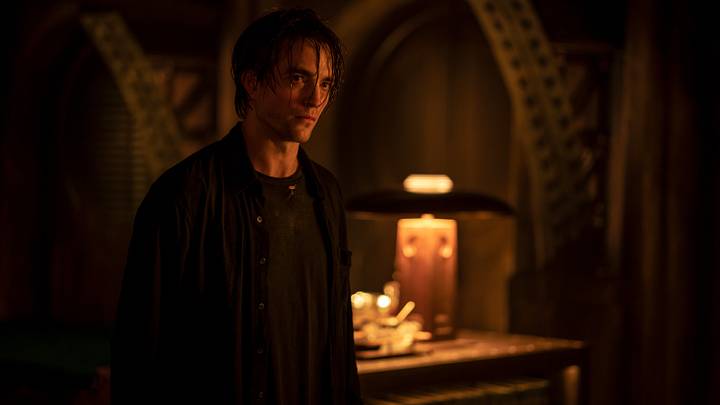
When Robert Pattinson was officially announced as Batman in 2019, the skeptics doubted his ability to play the Caped Crusader. Pattinson's main claim to fame was Harry Potter and the Twilight Saga, and despite doing amazing work with brilliant directors afterwards, he wasn't considered the right choice to portray the Dark Knight. Eventually, fans warmed up to the British actor's take on the beloved superhero. Ironically, while few doubted Pattinson could pull off the suave billionaire side of the character, the film gave him significantly less screen time compared to Batman.
While questions about Pattinson's casting focused on his physique and fitness level for Batman, after the film's release, most fans agreed that the British thespian had the aura to carry the suit and excelled in the fight scenes. What surprised audiences most was how little time was spent behind the mask.
Reeves prioritized Batman's rage-driven vengeance arc, and that singular focus paid off brilliantly. Batman ended up with a clear understanding that people need hope. In Part 2 it's up to Bruce Wayne to channel those lessons through his immense wealth and philanthropic efforts.

From recluse to Gotham's public leader
Pattinson's slick-haired, emo, and tortured Bruce Wayne offered a fresh, intense take on his life's tragedy. He portrayed a young man who hadn't even processed his trauma, showing zero interest in the Wayne family's staggering wealth. It never occurred to him that he could make as much of a difference, if not more, as Bruce Wayne than Batman. Matt Reeves intentionally paced the writing so that Wayne becomes the central focus of The Batman: Part 2.
After getting hands-on to save regular citizens towards the end of the film, Batman learned that vengeance alone isn't enough to save Gotham from scum and villainy. The people of Gotham need hope and a proper leader. Gotham needs honest leadership, and Bruce Wayne should realize he can use his family's fortune to help rebuild infrastructure, fund public projects, improve healthcare, and restore the people's trust.
Before he can begin making a difference, Pattinson's Bruce Wayne has to leave his isolated Gothic mansion and meet people where they are. He needs a public image overhaul after spending much of Part 1 as a recluse no one outside of Alfred Pennyworth knew.

The psychological toll of wearing two masks
This is an excellent chance for Pattinson to show the duality of Batman and Bruce Wayne. Growing from an awkward, tortured recluse to a suave billionaire who rubs shoulders with the richest at Gotham's parties is a side of the character fans would love to see. He's one of the few actors who can play a tortured soul and a playboy just as convincingly. The playboy persona won't come easily to Bruce, who will have to make peace with wearing a figurative mask in public and a literal mask after dark. There's almost no room left for the real Bruce Wayne to exist, and this balancing act is a minefield for Matt Reeves and Robert Pattinson as writer and actor.
The sequel has every chance of being better than Part 2. Giving Bruce Wayne equal importance in the film's narrative opens new doors for layered storytelling. Facing political corruption with Harvey Dent and protecting Wayne Enterprises from shady elites will give Bruce access to more rooms than Batman.
With the year Pattinson has had, it's thrilling to imagine what he will bring as Bruce Wayne when the sequel hits theaters in 2028. Pattinson has already proven he has the intensity and muscle to play Batman; now it's time to display his acting chops as he dons the mask of the playboy billionaire Bruce Wayne in The Batman: Part 2.
 Add us as a preferred source on Google